


Owners living overseas
Agree access, updates and decision-making before marketing starts. I organise the local photography, buyer enquiries and viewings, so you do not have to manage each visit yourself.
Hebrew, English, Spanish and Arabic are available. Other languages are not available yet. Flags for the same language open the same edition.
Living abroad should not mean managing every viewing from a distance. I handle the local marketing, buyer enquiries and coordination, while you stay informed and make the decisions.

I work with property owners in Israel and abroad across Gush Dan, central Israel, the Shfela and Sharon. My role is to organise the sale on the ground: prepare the marketing, coordinate viewings, handle enquiries and negotiations, and keep you involved at each decision.
I am a certified public accountant with a legal studies background, and previously worked as an inspector and investigating inspector at the Israel Tax Authority. That experience helps me recognise document and tax questions that need attention before a sale moves forward.
I provide brokerage, not legal representation or a formal property appraisal. Your lawyer handles the legal work; tax and valuation questions go to the appropriate professional.
A sale plan that fits the property and the owner.
Agree access, updates and decision-making before marketing starts. I organise the local photography, buyer enquiries and viewings, so you do not have to manage each visit yourself.
Smallholdings, agricultural land, building rights and properties with several owners can raise extra questions. We identify matters for the relevant professional to check before the marketing makes claims.
Gush Dan, central Israel, the Shfela and Sharon. We look at completed transactions, competing homes and the property's characteristics to plan the asking price and reach suitable buyers.
You keep the decisions. I organise the work on the ground.
Tell me about the property, ownership, tenants, timing and what you want from the sale. We gather the available information and flag questions for a professional to check.
Review completed transactions and competing homes, then agree the asking-price strategy. This is market analysis for marketing purposes, not a licensed appraiser's valuation.
Arrange access and photography, and write accurate marketing material. The presentation should help buyers understand the property, without hiding its condition.
Coordinate visits and discuss buyer needs, budget and timing. You receive feedback and offers so you can decide whether to change the marketing.
I coordinate negotiations on price and proposed terms. Accepting an offer is your decision. Have your lawyer review the legal position before making a commitment.
Your lawyer checks and prepares the agreement and plans signing. I stay involved in the brokerage and practical coordination; I do not provide legal representation.
No sale price or marketing period is guaranteed. Brokerage does not replace a formal appraisal, legal advice or individual tax advice.
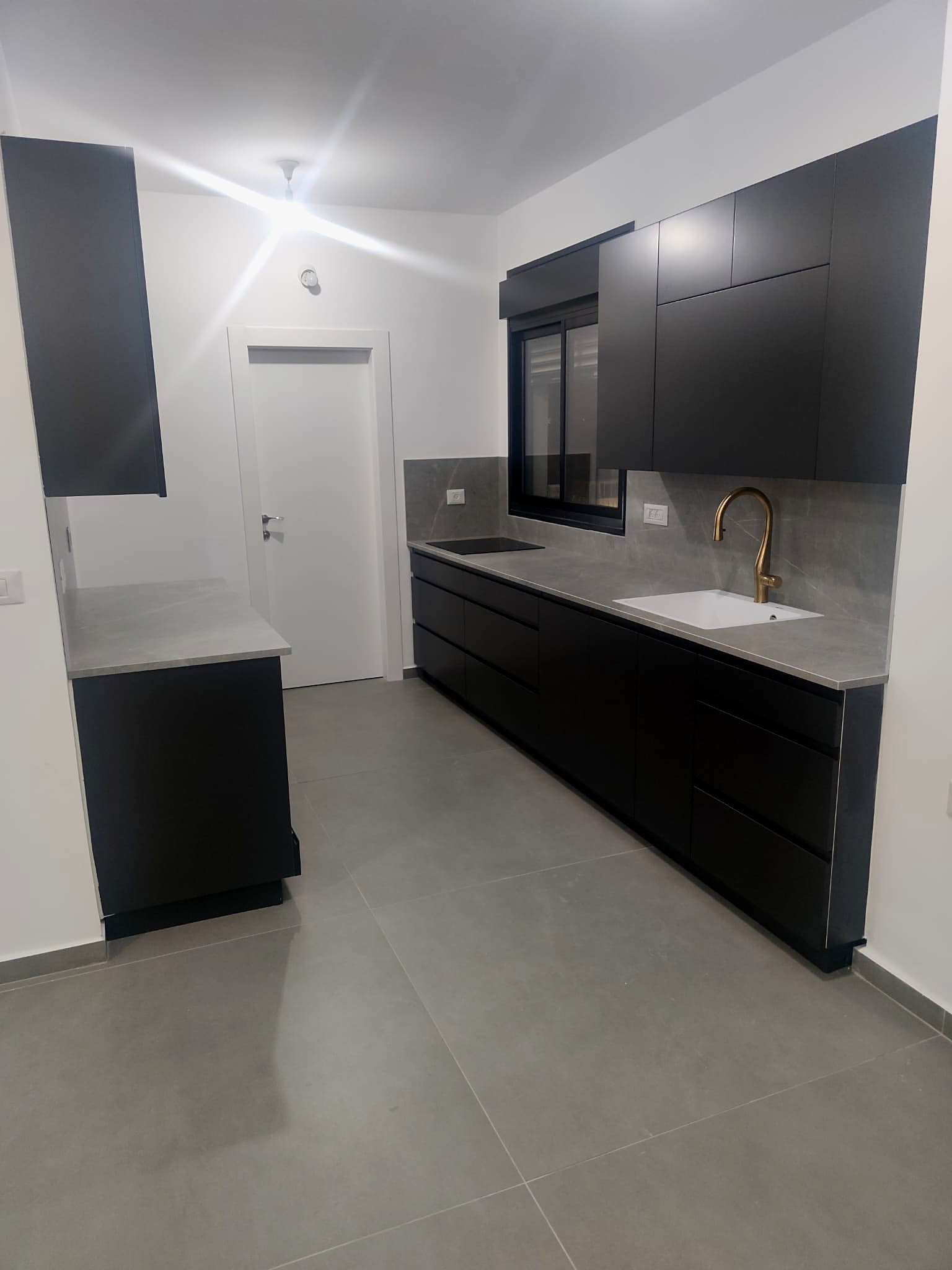
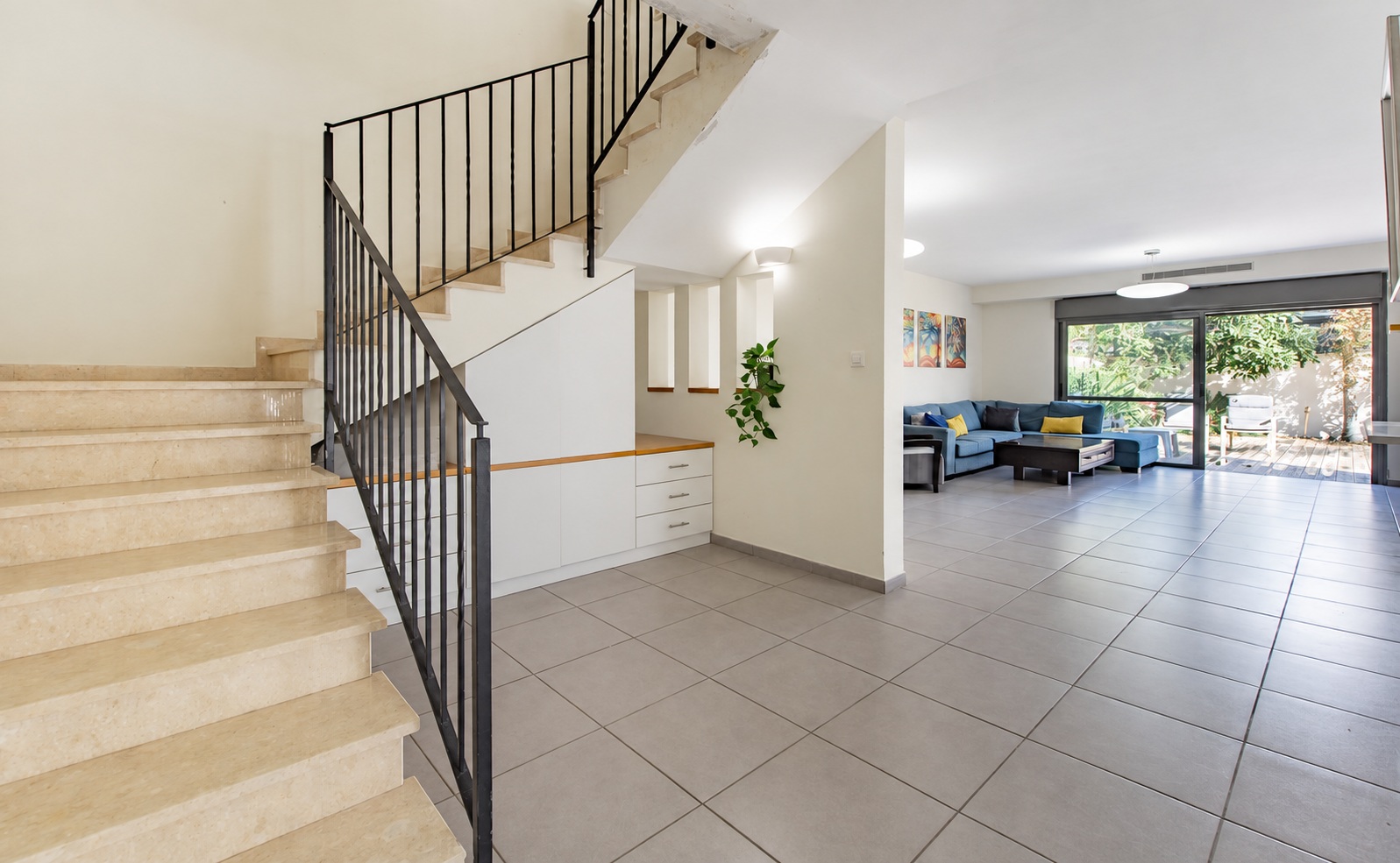
Two new rooftop duplexes in the same building in Agrobank, Holon. Ask Amir for current availability and details.
New rooftop duplex apartments
124 m² interior
62 m² terraces
Asking price: ILS 3,000,000 per apartment
118 m² interior
64 m² terraces
Asking price: ILS 3,000,000 per apartment

Four supplied plans for the two duplexes. They are shown together, not assigned separately to apartment A or B.
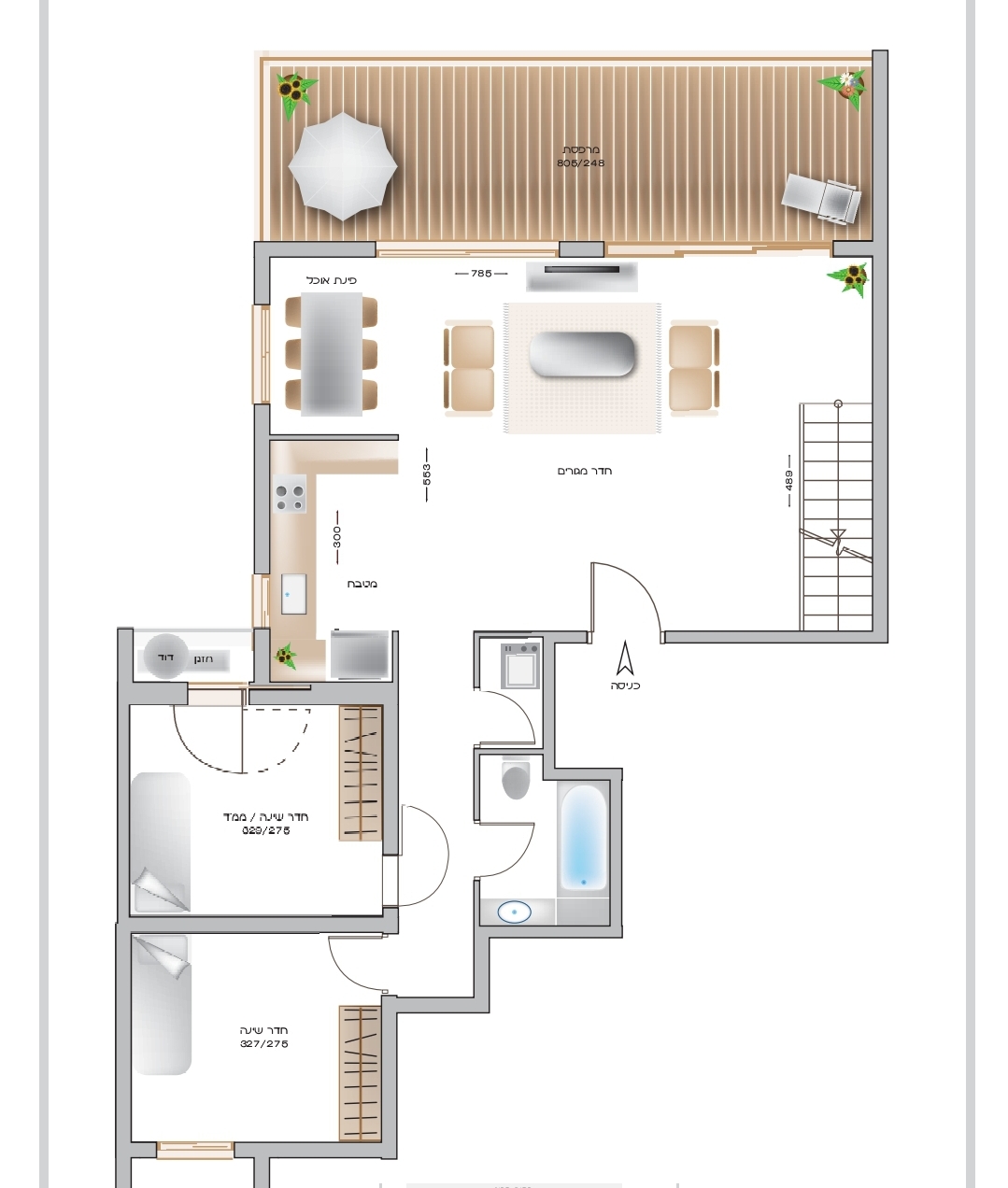 Plan 1 · open full plan
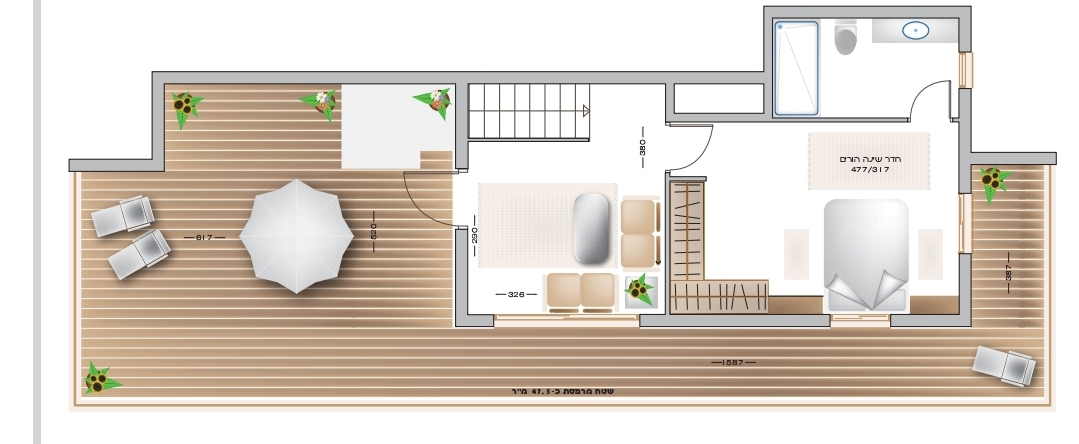 Plan 2 · open full plan
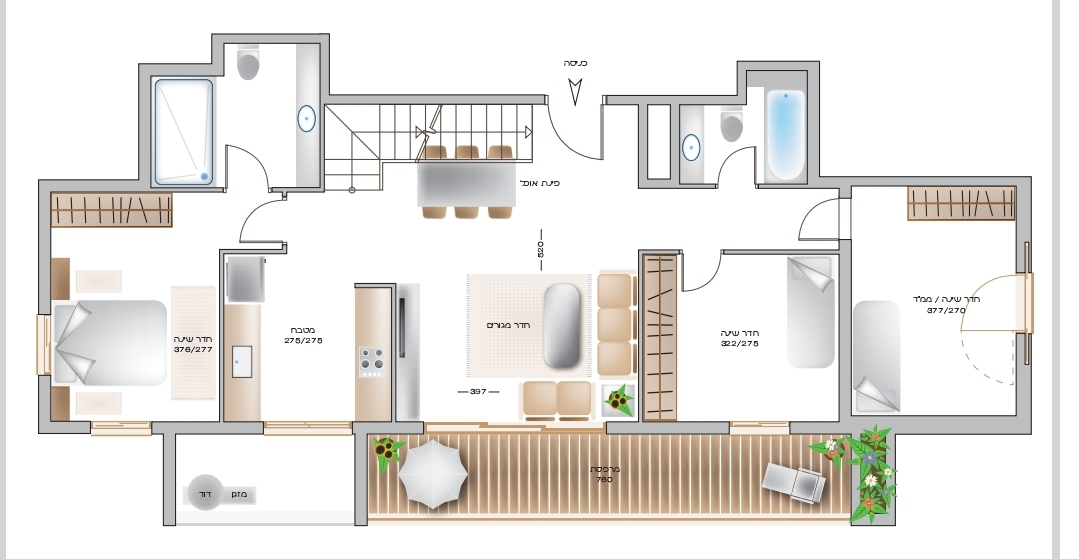 Plan 3 · open full plan
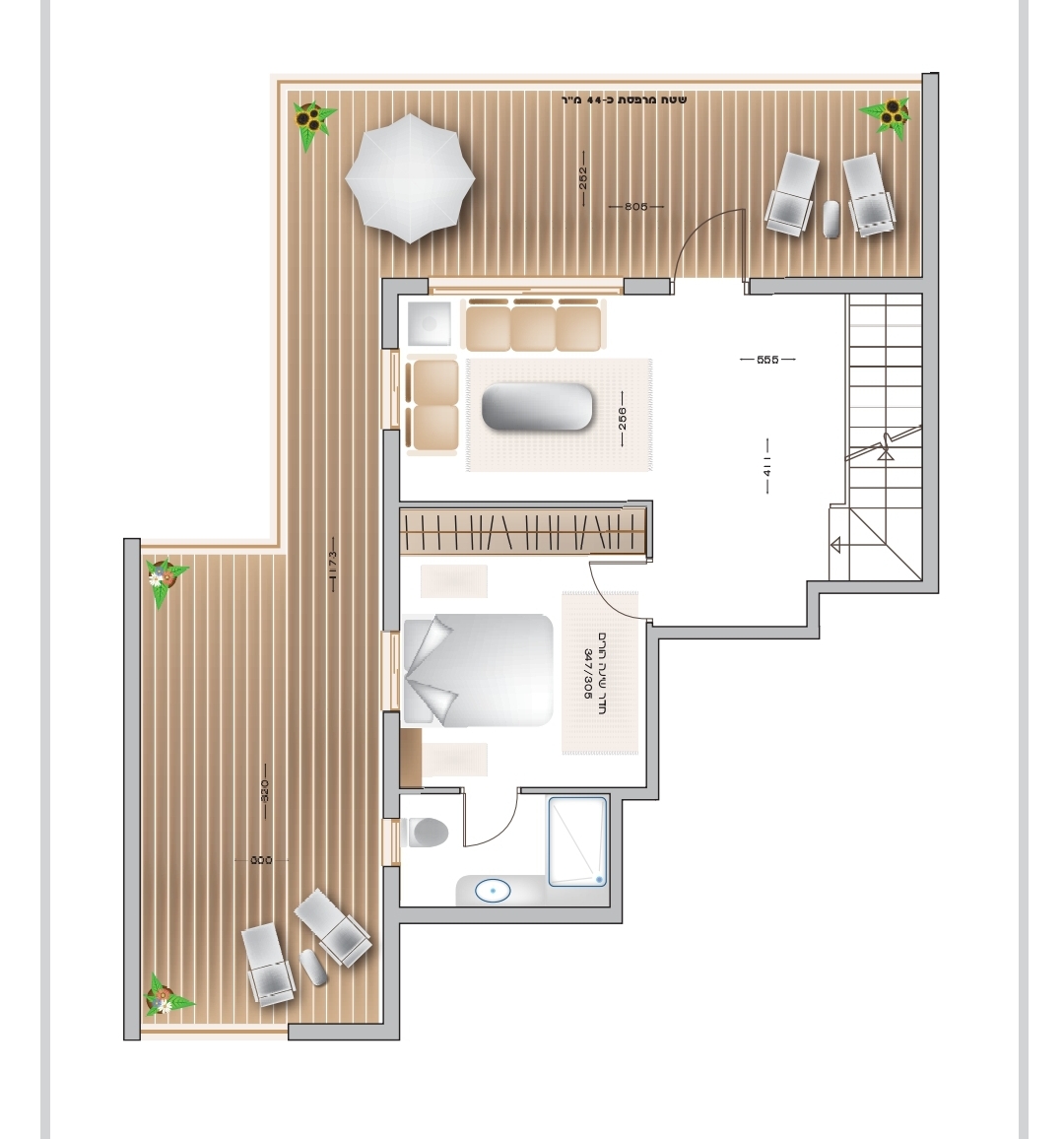 Plan 4 · open full plan
Real properties sold through Amir.



































The full question set, organised by topic. General information, not individual legal, tax or valuation advice.
Much of the document review, marketing and negotiation can be managed remotely. Plan signing and transfer of ownership with your lawyer early. Your lawyer will check whether a power of attorney can be used and how signatures must be verified in your transaction.
A local broker can arrange photography, viewings, enquiries and owner updates. Agree who holds the key, how visits are authorised and which decisions remain yours. Managing the marketing does not replace legal advice.
Not necessarily. It depends on the signing arrangements, the owners and the organisations handling the transaction. A lawyer should decide whether one is needed, its scope and the required verification.
Some documents may be verified at an Israeli mission; another route may involve a local notary and the appropriate authentication. Requirements depend on the document, country and receiving organisation. Get precise instructions from your lawyer before booking. You can also enquire with Ben Hamou & Co. for notarial services; suitability must be checked for your document.
Start with property and owner details, an up-to-date rights document, purchase documents and mortgage or tenancy information. Keep records of expenses and improvements that may matter for tax. Your lawyer and accountant should set the final checklist for your property.
Check the heirs, whether the appropriate inheritance or probate order exists and how the rights are registered. Co-heirs and heirs abroad need early coordination of signing and tax. Your lawyer should plan the inheritance work alongside the sale. You can also enquire with Ben Hamou & Co. for inheritance and property matters.
Do not rely on the will alone. The heirs' legal status generally needs the appropriate order. Registration, the rights holders and their agreement affect the sale. Your lawyer should check what is needed before a binding commitment.
Establish each heir's share and agree the price strategy, marketing, contact person and approval process. Clarify who can sign for whom and how proceeds and expenses will be divided. Resolve disagreements and overseas signing arrangements with a lawyer before committing to a buyer.
Where you live alone does not decide liability or exemption. The property, purchase date, ownership, residency and other circumstances need review. Ask an appropriate professional about possible obligations in your country of residence too.
Purchase tax generally concerns the person acquiring property rights, not a seller simply because they live abroad. The seller may face capital gains tax and other charges. If you also buy another property, assess that purchase separately.
Coordinate the account details, transaction documents, source-of-funds evidence and tax requirements with your bank and lawyer in advance. Timing, currency and costs depend on the banks and destination country. Do not assume the money can be transferred as soon as the contract is signed.
Agree regular updates on enquiries, viewings, feedback and offers. Distinguish arranging a viewing from approving a price or transaction term, which remains the owner's decision. A clear update routine helps with time-zone differences and misunderstandings.
Review rights and commitments, prepare information and photos, and agree marketing and asking-price strategy. After viewings and offers, the lawyers check and draft the contract and coordinate payments and transfer of rights. The sequence and timing vary by transaction.
There is no fixed duration. Asking price, condition, competing supply, registration and buyer financing can all matter. Separate the time to find a buyer from the time to signing and the time to handover.
Compare completed sales of similar properties, competing listings and the property's characteristics. An asking price is not necessarily the selling price. Marketing analysis and asking-price strategy are not a formal property appraisal; a licensed appraiser handles that work.
The Israel Tax Authority's property transaction database and the government property website are starting points. Compare dates, area, floor, condition and exact location, not just price per square metre. An advertised price is not evidence of a completed sale.
Start with cleaning, lighting and visible faults. A major renovation does not necessarily recover its cost on sale. Describe the property's condition accurately and do not conceal known defects.
Yes, but coordinate repayment and release of security with the bank and lawyer. The contractual payment schedule needs to fit that process. Check the outstanding balance and repayment conditions early in the marketing.
Yes, but the tenancy affects access, handover and potential buyers. Provide accurate lease information and arrange lawful access. Your lawyer should describe the possession arrangements in the sale contract.
Check the rights holders, charges and registered notices, relevant planning information, condition, payments and vacant-possession date. An advert or verbal summary is no substitute for due diligence. The seller's lawyer should review the details. You can also enquire with Ben Hamou & Co. for property transactions.
Depending on the case, legal fees, brokerage fees, capital gains tax, a planning betterment levy, mortgage costs, moving costs or other charges may arise. Not every item applies to every sale. Prepare an individual net-proceeds estimate before accepting an offer.
The contract sets payment dates, conditions and handover. Payments may be staged and coordinated with debt repayment and transfer of rights. Do not use an unsigned offer as the basis for a move or another purchase.
It is a tax that may apply to the gain on a sale of property rights, subject to the applicable calculation and exemptions. The selling price is not the tax amount. Acquisition cost and eligible expenses also matter. Review your case before estimating net proceeds.
No. Some sales may satisfy exemption conditions, while others are taxable. Being a residential apartment does not settle the question. A lawyer or accountant should check eligibility against the facts.
No. Conditions concern the property, its owners and relevant periods. Other family-unit properties and building rights may matter. Do not promise an exemption before document review. You can also enquire with Ben Hamou & Co. for property tax matters; liability and exemption still require individual assessment.
A specific exemption may be available where legal conditions are met, but inheritance does not give an automatic exemption. The deceased, the heirs and the property's circumstances need review. Check tax before dividing the proceeds.
Purchase, improvement and transaction records may be relevant under the tax rules. Not every receipt is deductible or deductible in full. Keep evidence and provide it to the professional preparing the self-assessment.
An exemption request is handled as part of the transaction reporting process under the Tax Authority's instructions. Forms and deadlines depend on the transaction. Your lawyer should explain who files and what is attached.
Capital gains tax concerns the seller and the gain on the sale. Purchase tax concerns the person acquiring the rights. Selling one home and buying another means reviewing each transaction separately, under its own rules.
No. A betterment levy concerns planning-related improvement under planning law. Capital gains tax concerns the sale and the Tax Authority. Not every property has a betterment levy. Check plans and possible charges before committing in a contract.
There is no single answer for the whole region. Review recent transactions, competing supply, the property's condition and your timetable. Marketing now or waiting involves uncertainty and holding costs, not a guaranteed price trend.
City averages hide differences between streets and buildings. Compare neighbourhood, building age, floor, parking, access and planning status. Price per square metre is one input, not the final answer.
Look at the exact location, likely buyers, transport access, services, building type and competing supply. Compare local transactions rather than treating the Sharon as one uniform market. Rights and planning matter as much as the advert.
Ask the municipal renewal office or engineering department and review maps and planning documents. An idea, owner organisation, advancing plan and approved plan are different stages. Do not market a project as certain without evidence of its stage.
Not necessarily. Review planning stage, agreements, feasibility and risks alongside market conditions. A rendering or rumour is not proof of approval. Use a licensed property appraiser where a professional valuation is needed.
Construction can create disruption and other neighbourhood changes; the effect depends on the project and property. Check plans, location and building stage and give buyers factual information. Do not promise a particular price effect.
Verify that the areas, attached spaces and advertised rights match documents and permits. Clarify the status of building additions. A lawyer checks rights; a licensed appraiser provides a valuation when needed.
No. Area measurements can differ, as can floor, parking, lift, protected room, condition and location. Compare several relevant transactions, not one headline figure. Asking-price strategy should reflect the full evidence and seller's goals.
A broker can handle marketing, viewings, enquiry screening and offer coordination, especially useful for owners abroad. A broker does not replace your lawyer, accountant or licensed property appraiser.
Ask to see a valid licence and check the details against the official registrar service. Also clarify who will actually handle your property.
The written brokerage engagement should state the fee and conditions. Entitlement depends on legal conditions, including the broker's effective role in bringing about a binding transaction. Before signing, clarify who pays and whether the stated amount includes VAT.
Not every brokerage engagement is exclusive. Before signing exclusivity, check its duration, scope, marketing actions and termination arrangements. Keep copies of signed documents and seek legal advice if terms are unclear.
The owners decide the price and whether to accept an offer. A broker can present comparables and suggest an asking-price strategy, but cannot guarantee the final price or supply a formal appraisal. Agree which offers come to you for approval.
A broker markets and brings parties together. A licensed property appraiser provides formal valuation within their role. A lawyer handles legal checks, contracts and rights. Amir is a CPA and licensed broker with legal studies background; his brokerage is not appraisal or legal representation.
Start with the property, ownership situation, timing and goals. Once the necessary information is reviewed, we can agree an asking-price strategy, marketing plan and written working terms.
It is a calculation method that may apply to a qualifying residential property acquired before relevant legislative changes, not an automatic exemption for the entire gain. Purchase and sale dates and transaction circumstances matter. Request an individual calculation before relying on net proceeds.
Property status, ownership period, the family unit and interests in other homes need review. Having one registered apartment is not enough by itself. Building rights and other facts can matter. Your lawyer or accountant should check documents before confirming an exemption.
No. Classification depends on the law, family-unit circumstances and other rights, not just the label "first apartment". Tax bands may change. Check a current Tax Authority calculation and confirm it with a professional.
Replacement-home rules may depend on selling the previous property within a legal period. The period and conditions depend on the transaction date and type. Plan sales timing and financing with your lawyer, including a delayed-sale scenario.
Specific conditions apply, including review of home ownership in the country of residence. Having one home in Israel is not conclusive. A cross-border tax professional should check documents, eligibility and possible overseas obligations. You can also enquire with Ben Hamou & Co. for property and notarial work; foreign tax needs advice suited to that country's law.
In appropriate cases, the real gain may be allocated across tax years for calculation under the law. It is not spreading the buyer's payments, and does not guarantee lower tax. An accountant should review income, assessments and personal data before an application.
No. Distinguish improvements from routine maintenance and expenses already accounted for from other costs. Keep invoices and payment evidence and ask the self-assessment professional to review deductibility.
Inheritance itself differs from a sale to a third party. Later division, balancing payments or a sale may raise tax questions. Do not transfer interests between heirs assuming every division is exempt; ask your lawyer and accountant to check the route.
Not necessarily. Capital gains tax and purchase tax are assessed separately; relief may depend on the relationship and circumstances. Rules affecting a later sale can also matter. Check the consequences for both sides before transfer.
Residential rental income may be taxable. The route depends on the property, its use and the landlord's circumstances. Exemption conditions and thresholds can change. Ask an accountant to review the applicable route and net income.
Check it before a contractual commitment. It is a possible planning-related charge from the local committee, separate from capital gains tax. A nearby plan does not prove your apartment is liable. Your lawyer should review planning status and potential charges.
Budget for transaction and moving costs as well as the advertised price, and obtain suitable finance approval. Your lawyer checks rights and documents; an appropriate professional checks condition if needed. Compare actual nearby sales too.
No. Approval may depend on the property, appraisal and further documents. A gap between purchase price and the bank's recognised value may require more equity. Coordinate financing and the payment schedule before signing.
Obtain a current rights document from the registry or relevant managing body and compare it with the seller's identity. Check charges, notices and attached spaces too. The buyer's lawyer should interpret the findings.
Compare completed transactions with adjustments for floor, condition, area and rights. Set your budget limit and important conditions beforehand. An offer is no reason to skip property checks or secure financing.
Look for damp, noise, light, windows and building maintenance; visit at different times if possible. Ask about parking, storage and alterations and compare with documents. Suspected defects deserve a professional check, not just a viewing impression.
A short document can have legal effect depending on its wording and circumstances, even if it is not the full contract. Before signing or paying, have your lawyer review it and the consequences of withdrawing.
Recheck budget and finance before raising the offer. Offer handover flexibility only if it genuinely works for you. Do not skip essential legal, planning or financing checks simply to beat another buyer.
Both parties may engage the same broker, but written terms and who pays must be clear. Transparency about role and interests matters. Each side should have its own lawyer; the broker is not a substitute.
An inheritance order identifies heirs under law when there is no will governing the inheritance; a probate order gives effect to a will. The route depends on documents and circumstances. Your lawyer should check what is needed before selling. You can also enquire with Ben Hamou & Co. for these orders.
Do not assume one co-owner's agreement binds the others. Agree how offers are approved and who may speak and sign for others. Seek legal advice where there is disagreement.
Arrange access and keys, ongoing payments and insurance as needed, and record condition. Then consider contents removal, cleaning and useful repairs. Agreeing on contents and expenses among heirs beforehand makes the sale easier.
A share in rights is not a separate apartment. Options depend on registration, others' rights and the law. Have a lawyer review the sale and tax consequences before marketing the share; do not advertise it as a self-contained apartment.
Check documents, signatures and verification requirements in that heir's country early. Agree offer approvals and distribution of proceeds. Your lawyer should check authority and registration before a buyer is found.
No. Initial signatures, a progressing plan, approval, a building permit and binding agreements are distinct stages. Advertise only the stage supported by current documents. A property lawyer should check agreements and rights; you can also enquire with Ben Hamou & Co., with suitability to the particular project still to be confirmed.
Consider project status, possible waiting time and your financial needs. Buyers may value potential but also allow for risks and delays. Review documents with a suitable lawyer and value with an appraiser where needed.
Ask for planning documents, municipal or renewal-office notices and signed agreements if they exist. Clarify what still depends on approval, permits or finance. A verbal promise of extra space is not a verified right.
No. Requirements depend on the route, stage and applicable law; planning and finance steps may remain after signatures. Review the facts with the residents' lawyer and local renewal office before assessing delivery prospects.
Check the lease, its end date and the project's actual stage. Early planning does not necessarily mean imminent evacuation. A lawyer should coordinate tenancy commitments with the sale contract.
Special arrangements may apply, but eligibility depends on the transaction structure and the owner's circumstances. Additional consideration or other properties may matter. Check tax with your lawyer and accountant before signing.
It depends on price, transaction type, bank financing limits and costs beyond the price. Include tax, legal fees, agreed brokerage fees and moving costs. The bank should review repayment capacity using current information.
It may be possible, but a delayed sale can mean overlapping commitments and a cash-flow gap. Review a conservative scenario with the bank and coordinate payment schedules with the lawyers. Assess purchase tax separately.
Ask the bank for current debt and repayment or security-release requirements. Your lawyer should align the contract's payment schedule with the bank's requirements. Do not assume all proceeds are available on signing day.
A mortgage appraisal serves the bank's assessment of its security and may differ from the agreed price. A gap can require extra buyer equity. An advert or broker market analysis is not a formal appraisal.
Look beyond the initial repayment to interest structures, indexation, early repayment and associated costs. Compare using the same figures and scenarios, including possible repayment changes. This is a personal financial decision to review with appropriate advisers.
Compare expected annual income with the total acquisition cost and distinguish gross from net yield. Net figures should allow for expenses, vacancy periods and tax where relevant. Advertised rent is not guaranteed income.
Consider liquidity needs, holding costs, likely rental income and alternative uses of the proceeds. Review tax and maintenance risks too. The decision depends on your goals, not only a property-price forecast.
An existing lease gives income information, but its terms, security and end date need review. Compare rent with similar properties and check condition. The buyer's lawyer should examine the tenant's rights.
Study the street and building, completed sales, rental demand and nearby plans. Review maintenance and expected expenses. If management will be remote, decide who will actually handle the property and tenants.
A price increase is a possibility, not a fact, especially when based on an unapproved plan. Test rental cash flow without appreciation and review financing limits. A licensed appraiser handles formal valuation.
Use neighbourhood and nearby-street transactions rather than a city-wide average. Adjust for floor, parking, building age and rights. An asking price is a marketing decision, not a formal appraisal.
Compare sales in similar buildings and review maintenance and access to places important to you. Require evidence of the stage of any claimed urban renewal project. A suitable lawyer checks rights and planning.
Review project documents and what still depends on planning approval, signatures or financing. Compare the price without assuming completion. If the potential is material, consider independent legal and appraisal reviews.
Compare nearby sales by size, building age and characteristics, not city name alone. Verify rights and nearby-project information before including it in marketing. Tailor the marketing to the property.
No. Floor, lift, parking, protected room and building condition can create differences even on nearby streets. Ensure areas are compared on the same basis. The figure helps screening but does not replace property checks.
Comparisons need attention to the street, building, rights and apartment features. Review planning, registered area versus actual use and possible charges. Obtain appropriate professional checks before a final net-proceeds estimate.
Prefer sales with similar location and building type and consider access to your needs. Go beyond price per square metre to parking, associated spaces, condition and documents.
Identify likely buyers from the location and property features, and choose close comparables. Separate advertised prices from completed-sale prices. Accurate condition and rights information matters as much as photography.
Compare price and expected rent with similar nearby properties, not the whole city. Review building condition, ongoing costs, any existing lease and nearby plans. Calculate net yield after financing and tax where relevant.
One feature does not determine price. Condition, rights, access and local competition matter too. Compare sales with similar characteristics. Use a licensed appraiser if a professional valuation is needed.
Check relevant travel times, building types and local services, and visit at different times. Compare street-level sales adjusted for size and condition. A favourable impression of the area is no substitute for checking rights.
Gather rights documents, mortgage details and records of works and expenses. Review sales and competing supply nearby. Estimate tax and moving costs to understand possible net proceeds.
Review the street, building, maintenance, existing tenancy and relevant demand. Sea proximity can affect use, maintenance and price in different ways. Compare similar transactions and check rights and tax.
Even at similar asking prices, streets, buildings, rights and buyer groups may differ. First compare similar properties within each area, then compare cities against your needs and total costs.
Verify route, delivery timing and street-level effects through official sources. Distinguish an operating line, construction and early planning, and review possible disruption. Do not price an unsupported forecast as an existing benefit.
A meshek ezer, often described as a smallholding, may involve residential and land rights. The label alone does not establish the scope or registration. Review the contract and rights documents, including the Israel Land Authority and moshav arrangements where relevant. Exact status needs property-specific confirmation before marketing.
Obtain a current rights document and check for registered ownership, an Israel Land Authority lease or another arrangement. Capitalised and non-capitalised leases and registered ownership have different sale implications. A suitable lawyer should explain your specific status.
Transferring non-capitalised lease rights may involve payments depending on property type, contract and applicable decisions. The calculation depends on the transaction and authority valuation; capitalisation or ownership transfer may sometimes be an alternative. Review likely costs before negotiation rather than assuming they apply uniformly.
Agricultural property in a moshav may be subject to settlement agreements, committee requirements and buyer restrictions. Check with the moshav and Israel Land Authority before marketing so enquiries target buyers who can complete. The particular requirements need confirmation.
Start with rights review, Israel Land Authority and moshav documents, and possible charges. Then develop marketing pricing from comparable transactions and rights status and target appropriate buyers. It is different from selling an apartment and needs relevant experience.
First establish the right held, planning designation and Israel Land Authority position. Use, renting, selling or a change of designation depend on the specific arrangements and plans and may not be achievable. A suitable lawyer and other professionals should assess the particular land.
It means changing the planning designation, for example from agriculture to building, through an approved planning process. Potential rezoning is not approved rezoning. State the actual stage and do not advertise future potential as an established fact.
Compare completed plot sales, adjusting for building rights, designation, size and location. Price per square metre can mislead where rights differ. A licensed appraiser provides formal valuation; a broker analyses the market for an asking-price strategy.
Review the rights document, designation, relevant plan, building rights, access, infrastructure and possible charges. Check new plans and possible betterment levies. Collecting this information early reduces negotiation surprises.
They concern the construction permitted by applicable plans, including floors, service areas and additions. Existing buildings or neighbours' construction do not establish your rights. Use current planning information and professional review where needed.
They may, but the effect depends on demand, construction costs and planning and finance feasibility. Rights on paper do not automatically produce a higher price. Present supported potential accurately without promising a specific uplift.
Document rights from planning sources and advertise only what can be supported. Separate what exists now from what may be possible later. Check whether additions depend on charges such as permit fees or a betterment levy.
The options and consequences depend on the property. A suitable lawyer and planning professional should review status and necessary disclosure before marketing. Regularisation may or may not be possible and can affect price and suitable buyers. Do not assume a standard answer.
Rules differ from those for residential apartments, and familiar home exemptions may not apply. Acquisition date and circumstances can affect the calculation. Get an individual calculation before relying on expected net proceeds.
Consent, capitalisation or other authority payments may take a significant share of proceeds alongside tax and transaction costs. Prepare a net estimate covering relevant components before setting an asking price for non-capitalised lease property.
A levy may arise from planning-related improvement and is paid to the local committee separately from capital gains tax. Land and building rights are particularly sensitive to planning changes. Your lawyer should check possible charges before signing.
Distance and complex rights both need a plan. Coordinate Israel Land Authority and moshav checks, signature verification and remote approvals alongside local marketing. Use local brokerage experience together with your professional advisers.
Mistakes about rights, planning or authority arrangements can cost time and money. An experienced broker knows what to check and how to target the marketing, working alongside your lawyer and accountant. Amir focuses on complex-property sales in Gush Dan, central Israel, the Shfela and Sharon; brokerage is not legal representation or a formal appraisal.
Gather rights documents, occupancy details and your sale goals. Before advertising, establish who can give instructions and who will check transaction documents.
The address, any available rights document, occupancy, owner names and a convenient contact method. There is no need to send bank details or identity documents through an insecure channel at the first conversation.
Agree a regular call window and put offers in writing with price, payment terms and handover date. You should not have to decide from an incomplete message.
A relative can help arrange access with your agreement and that of the occupants. Practical help does not authorise signing, agreeing a price or receiving money for you.
Request a clear written summary of the offer and its terms, not just the price. Approval should refer to a defined version. Have your lawyer check any legal commitment.
Check safe access, basic condition and existing bills before photography and viewings. Do not claim the systems work without suitable checks.
Do not choose renovation automatically. Compare budget, time and the difficulty of remote management with selling as it is. Do not assume the expenditure will be recovered in the price.
Choose an agreed contact and record who receives each key and why. A key for photography or a viewing does not authorise use of the property or handover to a buyer.
Enquiries, viewings, feedback, offers and proposed next steps. Distinguish an initial enquiry from a buyer who has reviewed documents and submitted an offer.
Agree approval requirements, who pays and what receipts are kept. Do not leave cleaning, repairs or photography on an unlimited unwritten budget.
Agree a contact and an urgent-decision route beforehand. Being unavailable is not approval of an offer. Have your lawyer review any substitute's legal authority.
Marketing includes photography, viewings and offers. Signing and transfer of rights are separate and require your lawyer's review of authority, documents and verification requirements.
Agree on a convenient time, arrange for someone to be at the property, and decide which rooms and details you need to see. A live tour helps coordinate how the apartment is shown, but it does not replace a professional condition inspection or a review of the documents.
Group together the meetings and tasks that genuinely require you to be there, in coordination with your lawyer and the other people involved. Do not book a flight on the assumption that documents will be ready to sign or an approval will arrive by a particular date.
Gather inheritance documents and the existing rights document. A lawyer should check the heirs, shares and registration before ownership is presented in marketing.
There is no blanket answer. The document, issuing country and Israeli registration need review. A lawyer should establish whether an Israeli procedure, verification or translation is required.
Inheritance documents establish entitlement to the estate; the rights document records the property registration. Do not assume obtaining an order automatically updates every registry. Check the required process.
Before a commitment or a claim of definite ownership, have a lawyer review the will's status and required procedure. Holding the document alone does not establish who can sell.
Choose a document contact and keep a checklist for each heir. Coordination does not transfer others' rights or authority to decide for them.
Show the differences to a lawyer before preparing sale documents. Name changes, transliteration or registry errors may need evidence. Do not edit official documents yourself.
Do not assume exemption. Eligibility depends on legal conditions and the deceased, heir and property. Obtain an individual tax review before calculating proceeds.
Purchase papers, potentially relevant expense evidence, rights documents and agreements. The tax professional decides what is required and usable. Do not discard older records before review.
Agree what is kept or removed and who is responsible. Record contents where helpful. Do not publish documents, keepsakes or identifying belongings without consent.
Do not promise a date beyond your control. Timing depends on procedures and documents. A lawyer should plan contractual arrangements for possible delays.
A lawyer should check the appointment, powers and required transaction approvals. Do not assume one heir's or the administrator's agreement is sufficient for every action.
Advertise accurate property information, not family details. Deal with material transaction information through the lawyer rather than conceal it with marketing wording.
Asking price, decision limits, expense budget, contact person and offer-approval process. Record which matters need everyone's agreement rather than rely on a verbal understanding.
Authority depends on rights and authorisation, which a lawyer should check. A marketing contact is not necessarily a legal representative. Establish who must agree and sign.
Collect offers in an agreed channel and circulate the same summary. Every owner should see the same price, payment and handover terms.
Separate the family's decision from marketing work. A lawyer should review options and consequences before promising a buyer a sale without agreement.
A family transfer can still have legal and tax consequences. Get individual advice before paying or signing, even when relations are good.
Agree allocation and approvals early and record each expense. Do not assume expense allocation matches proceeds allocation without checking rights and agreements.
Agree response times and follow-up. If their consent is required and missing, do not treat silence as approval or commit for them.
The right and restrictions need legal review. If that is the route, make clear that only a share is offered, not the entire apartment.
Special representation or approval requirements may apply. Consult a lawyer before a binding marketing step or signature; a relative's approval alone should not be assumed sufficient.
Review rights documents and agreements or decisions about sale and proceeds. A lawyer checks authority and signatures. The broker does not decide the dispute.
Do not build a sale on hiding information from someone whose approval is needed. Agree an update route and obtain legal guidance on each owner's rights and duties.
Define the contact as coordinating documents and logistics unless other authority is lawfully granted. Send important decisions to the rights holders under the agreed approval process.
A suitable lawyer should tailor it to the property, owners and required actions. Do not use a generic form without checking that the organisations involved will accept it.
Do not assume so. The document and law determine authority. Permission for coordination, document collection or access is not necessarily permission to sell.
Get the document checklist, final wording and required verification route from your lawyer. Check the verifying organisation's service requirements before travelling or paying.
No stamp should be treated as proof that the document suits the transaction. Your lawyer should check content, verification and the receiving body's requirements.
Your lawyer should check its language and the receiving authority's requirements. Do not order automatic translation where a verified translation may be required.
There is no blanket answer for every document and country. Verify the authentication and acceptance route for the specific transaction before relying on remote signing.
It depends on the document and procedure. Ask for a written list of what can be digital and what needs an original to avoid unnecessary shipping or delay.
Gather old and new identity documents where available and show them to your lawyer. Do not assume the new number will automatically be linked to the registration.
Define the property, permitted actions and approval process with your lawyer. Do not grant broad authority merely because it is convenient to operate.
Consult your lawyer before appointing a replacement. Substitution, cancellation or delegation depends on the document and law; a message to the broker is not enough.
Check validity, powers, property details and changed circumstances with your lawyer. Prior use does not prove it is suitable now.
Coordinate the lawyer, verifying body and receiving organisation before signing. Check names, identification numbers and attachments against originals, not just the appearance of a stamp.
The contractual price is not net proceeds. List expenses, taxes and debts to repay. Mark estimates as provisional until individual calculations and confirmations are received.
Purchase documents, dates, ownership share, use and expense records. The tax professional needs the whole picture, not simply the difference between two prices.
Do not infer treatment from an address. Residency classification and relief need review under the law and personal facts, including documents from the country of residence where needed.
No exemption should be assumed from citizenship alone. Other conditions and transaction circumstances require individual review.
Keep purchase and tax records for the tax professional. Their treatment depends on applicable rules and supporting evidence; do not assume a deduction.
Search for original records, transfers and agreements and show what you find to the tax professional. Do not invent receipts or promise unsupported costs will be accepted.
Not necessarily. Expense type, its connection to the property and evidence need individual review. A marketing budget is not the same as a tax-eligible expense.
Provide transfer papers and the known property history. Tax dates and values cannot be inferred solely from when you received the gift; request an individual calculation.
The Tax Authority reporting process distinguishes property and rights characteristics. Their effect on your liability needs professional review, not just the description in an advert.
Do not infer reporting duties from an estimated profit or loss. The Tax Authority describes transaction reporting requirements; your professional should check the route and duties for your sale.
Start collecting before signing. The Tax Authority states that the transaction declaration must be submitted within 30 days of the transaction. Have your professional confirm the transaction date, deadline and reporting route for your case.
No. A labelled estimate is possible, but it is not a tax approval or final figure. Allow for possible differences when deciding to sell.
Not necessarily. Reporting or tax may also arise in your country of residence. Ask a professional familiar with that law; Israeli payment does not automatically finish the overseas work.
Preferably before signing, while timing and documentation can still be reviewed. Send accurate transaction data through an agreed channel rather than relying on general internet advice.
The relevant treaty and its application need checking in both countries. Do not assume a credit or exemption without that review.
Timing may matter, depending on the country and your facts. Do not bring signing forward or delay it without coordinated advice from the relevant tax professionals.
The contract and appendices, purchase records, expenses, tax confirmations and payment movements. Your local adviser should set the checklist and any translation requirements.
Conversion rules and relevant dates may differ between countries. Keep actual dates, rates and evidence and request a professional calculation.
Give the tax professional each owner's share and personal circumstances. Do not apply one spouse's tax conclusion automatically to the other.
They are different stages. Review sale taxes with a tax professional and receipt and transfer with the banks. Approval of one stage does not automatically approve another.
Brokerage organises marketing; it does not replace tax review in another country. Cross-border consequences need the appropriate professional.
Collect move dates and actual residency details. Tax classification needs review; do not choose a reporting country simply from your current address.
Additional documents may be needed for overseas checks. Get a checklist from each relevant adviser or authority before paying for verification or translations.
Keep one transaction file with final versions and supporting evidence. Coordinate professionals without changing dates or numbers to achieve a desired outcome.
Before fixing the contractual payment mechanism. Ask what the receiving and overseas banks require; do not wait for the first transfer day.
Account owner, account details and currency must fit the arrangement approved with the lawyer and banks. Verify changed details through a known contact route, not a message alone.
Do not assume it is permitted or suitable. The lawyer and banks should check recipient identity, authority and consequences before payment instructions are issued.
Ask the bank for a quote showing rate, fees and timing and compare the same amount. There is no guarantee a future exchange rate will be better.
No. Until conversion and payment occur on agreed terms, the foreign-currency amount is an estimate. Rate movements and fees can change it.
Get its precise checklist and provide relevant transaction documents through its secure channel. Do not avoid checks by splitting transfers or misdescribing the payment.
The Bank of Israel describes ZAHAV as real-time, final shekel settlement. Ask your bank and lawyer whether it fits your transaction and what execution conditions apply.
Do not rely on a screenshot alone. Before taking a payment-dependent step, confirm actual receipt and contractual conditions with the bank and lawyer.
Timing and checks depend on banks and documents. Allow a margin and do not promise same-day credit without appropriate confirmation.
Use a documented arrangement based on rights and agreements, approved with the lawyer and banks. Do not send all proceeds to the contact person merely because they coordinate the sale.
Review the changed terms and risks with the lawyer. A different account, payer or currency is not a technical change to approve by WhatsApp alone.
No. The site is for enquiries and marketing, not banking instructions. Payment details should go only to the correct parties through verified channels within the transaction.
Identify where the rights are managed. A Land Registry extract does not replace another body's rights confirmation for every property. Your lawyer should specify what to obtain.
The registry service describes a full extract as current information and a historical extract as also including deleted registrations. Your lawyer should decide what the transaction review needs.
It can help identify the property, but is not proof of current rights. Obtain current information before binding decisions and review changes with your lawyer.
They link the physical apartment to the correct registration. The street address alone may not identify every right, especially with attached spaces or several units.
Check rights documents and relevant plans. Distinguish a registered attachment, a use right and a space used in practice. Do not describe every occupied space as privately owned.
State the source of each figure rather than selecting the largest for advertising. An appropriate professional should review measurement and meaning; a broker is not an appraiser.
Ask the managing body for rights information and transfer requirements. A lawyer should check the route; Land Registry registration is not the only possible arrangement.
Give the whole document to your lawyer. Do not remove the note from buyer materials or interpret it solely from its name.
Your lawyer should decide the current checks at each stage. An early marketing check does not prove there has been no change by completion.
Gather original evidence and have a lawyer assess correction. Do not promise clean ownership or a quick resolution before the process is understood.
Rights documents, checked property information and relevant transaction documents, with unnecessary private information removed. It does not replace the buyer's independent checks.
No. It is important registration evidence, not a substitute for checking every charge or other document. Your lawyer should specify the required checks and confirmations.
Gather the lease and existing agreements and check possession dates. Coordinate viewings with occupants and do not promise vacant possession without review.
The lease, rights and ability to meet the date need checking. Your lawyer should approve the handover mechanism before any commitment.
Arrange photography and avoid exposing documents, faces or personal details. Do not use the tenant's identity or lifestyle as marketing content.
Do not act unilaterally. Arrange access according to the agreement and legal advice; possession of a key is not a way around the occupant.
Assess price, financing, payments and handover as with other offers. The existing relationship does not replace checking ability to complete.
Use real figures and documents that can be shared under privacy and consent arrangements. Separate actual rent from estimates and do not guarantee a yield.
It depends on the contracts and agreed mechanism. Your lawyer should review the deposit and responsibilities before transfer or refund.
Debt type, agreements and effects on confirmations and handover need review. Gather information early rather than assume everything can be solved on the last day.
Have your lawyer check possession status and the actual arrangements. No written contract is not a basis for promising immediate vacancy.
Agree viewing windows, combine visits and give notice. Considerate management improves coordination without compromising accurate buyer information.
First assess how the new commitment fits handover and likely buyers. Do not sign simply to cover a vacant month without understanding the sale implications.
Make an agreed contents and visible-system record with occupants, limited to what can be checked. Documentation is not an engineering inspection or a promise of no hidden defects.
Current balance and repayment conditions as directed by your lawyer. An old statement may not show the amount required on payment day.
Do not assume so. Plan estimated net proceeds after debt, charges and expenses. Release timing depends on the contractual mechanism.
Do not assume the ordinary sale route will work. Consult the bank and lawyer about a solution before promising a buyer unencumbered rights.
No promise should substitute for documents. Your lawyer should set the specific repayment and registration-release mechanism.
A balance is a financial figure; a sale also needs current documentation and security-release conditions. The bank and lawyer should specify what is needed and when.
Review costs, liquidity and bank terms. Do not repay based on an assumed sale-completion date.
Understand finance status and timing. Approval in principle may not be final property approval and is not money already received.
It affects debt repayment, handover preparation and completion. Compare full offer terms, not only the headline figure.
The bank and lawyer should approve details and the mechanism. Do not replace instructions based on an unverified message.
Its source and available treatment need legal review. Your lawyer should assess whether and how the sale can proceed; the broker does not remove attachments.
Your lawyer must review an appropriate handover mechanism and safeguards. Future proceeds do not automatically remove every registration issue or obstacle in time.
Allow for charges and expenses not yet settled. Initial figures are estimates, not promises. Base the buffer on professional information about the transaction.
Do not present an invented image as the property's photograph. If an illustration is used, label it clearly and do not conceal the property's actual condition.
No. A sold label must correspond to a real, supportable transaction that may be published. An attractive image is no substitute for fact.
Yes. Identify it as an illustration, not the existing condition. Keep real photos available so a buyer understands what is actually offered.
Show rooms, their connections and relevant features without hiding a material defect. Professional photography improves presentation, not the facts.
Identity papers, post, family photos and visible security details. Inspect the actual images before publication rather than assume automatic blurring caught everything.
Not necessarily. Review buyer suitability, viewings and actual offers too. Views are not a formal appraisal or a promise of a sale.
Ask relevant questions about suitability, budget, timing and financing. Do not request sensitive bank documents without a need and an appropriate channel.
Do not turn a forecast into a promise. Any calculation should state assumptions and expenses and be labelled estimated; future income depends on circumstances.
Keep a channel list and update adverts following the owner's decision. Old prices should be corrected rather than continue misleading enquiries.
Actual use does not establish rights or permission. State the source and do not market an addition as approved space without suitable review.
Get appropriate consent and check privacy and image rights before publication. A real sale is not permission to reveal a client, address or financial details.
Describe it factually alongside complete information and genuine strengths. Honest marketing is not concealment; legal implications go to your lawyer.
Agree in advance which details will be public and which will be given to an interested buyer after a conversation. Do not withhold information material to the transaction. Where needed, check with your lawyer how that information should be provided.
Choose languages to reach potential buyers for this property, rather than simply matching the country where the owner lives. Keep the property details and terms consistent across every version, without adding new promises.
Update the relevant information and photographs before continuing to advertise. An old photo should not suggest that it shows the property as it is today. Make the updates everywhere the listing appears.
Put price, finance, payments, handover and other conditions side by side. A higher offer can be less suitable if its route to completion is unclear.
Legal effect depends on wording and circumstances. Consult your lawyer before approval or signature, even in a short message.
A short document may still have binding consequences. Ask your lawyer before signing; do not assume it is merely a provisional summary.
Check precisely what is requested, for how long and on what terms. Do not stop marketing or commit without the owners' decision and legal review.
Review marketing progress, feedback and full offer terms against your goals. There is no automatic percentage rule or formal appraisal in that discussion. The decision remains yours.
No. Check the reason and documents and keep time for necessary reviews. Urgency does not replace approval by all required rights holders.
Collect the changes into one version and reassess with your lawyer. Approval of earlier terms does not automatically cover the new version.
Keep offer summaries and dates and distinguish offers, agreement in principle and contract wording. Share private documents only with relevant parties.
You do not have to turn personal information into marketing material. Decide what to share while providing material transaction information as directed by your lawyer.
Give owners each offer's terms and run a genuine process. Do not invent a competing offer to increase the price.
Parties, property, proposed price, payments, handover and open points. Sending it for review does not prove a contract has already been made.
No. The broker advances marketing and coordination, but completion depends on the parties, documents, finance and checks. An advanced process is not a closed transaction.
Put the requested change and the terms that remain unchanged together in writing. Have your lawyer check the wording before sending a message that could create a commitment. Approval of an earlier version is not approval of a revised one.
Keys, agreed remaining items, meter readings and visible condition. Your lawyer should explain how the record fits the contract and handover conditions.
Do not rely on an image alone. Confirm the contract's handover conditions, including required receipt of funds, with the bank and lawyer.
Prepare providers, account numbers and meter readings. Check each body's transfer or closure requirements rather than assume the sale contract updates them.
Appoint someone for the agreed coordination and actions only. If a signature or legal act is needed, your lawyer should check the appropriate authority.
Record it and refer it to the parties and lawyer under the contract. Do not promise repairs or waive rights for the owner without approval.
Check with the insurer and lawyer when responsibility and coverage should change. Do not cancel simply because a contract is signed if cover is still needed.
Keep a key register and contact everyone given access. Agree treatment of keys and entry codes with the parties under the contract.
Plan address updates and an agreed forwarding arrangement before handover. Do not give the buyer access to personal papers or rely on them to update authorities for you.
Retention periods can differ by document and duties. Ask your legal and tax advisers and keep final papers securely.
Do not assume that. The lawyer coordinates completion and registration. Ask for a clear status of what is done and what remains.
Compare with the contract or agreed contents schedule. Do not add or remove items following a verbal request without suitable coordination.
Publish only a true fact worded for the transaction stage and with appropriate consent. Do not present cancelled or incomplete transactions as evidence of completed success.
No. Have the appropriate professionals check plans and permits separately from ownership rights.
Gather documents and check its actual planning status. Age or similar neighbour additions do not substitute for a permit.
Only after appropriate checks of rights and feasibility, with wording separating existing condition from estimated potential. Do not promise a permit or a particular building volume.
They are separate matters handled with different bodies. Each charge's existence and amount need individual review; one does not replace the other.
Early in preparation if permits, rights or charges are in question. Your lawyer and appropriate professional should define the documents and checks needed.
No. Check plans and agreements and state their actual stage. Do not promise evacuation, a new apartment or a handover date from building rumours.
State the right type and checked documents; do not translate leasehold into full ownership. A lawyer should explain transfer requirements and relevant restrictions.
No. The authority distinguishes property types and situations. Your charge depends on rights and applicable arrangements and needs individual review.
Gather registry and planning information about the route and access and have appropriate professionals review it. Physical passage does not establish a legal right of way.
Not unless that is its approved status. State the checked designation and planning stage, and label forecasts as estimates. Do not present a future change as a current fact.
A licensed property appraiser. A broker handles marketing and coordination, not a formal appraisal or a professional valuation of rights.
Build a question and document checklist and assign items to the lawyer, appraiser and other professionals as needed. A marketing promise cannot solve a legal question.
No matching questions. Try another word or contact Amir.
Where is it, what is your timing, and where are you based? A first conversation helps us understand the sale and how to organise it around you.
Message Amir on WhatsApp